Understanding complex data can feel like navigating a maze without a map. Traditional methods often miss the mark, leaving you confused and frustrated. You know the feeling.
Misunderstandings can lead to missed opportunities.
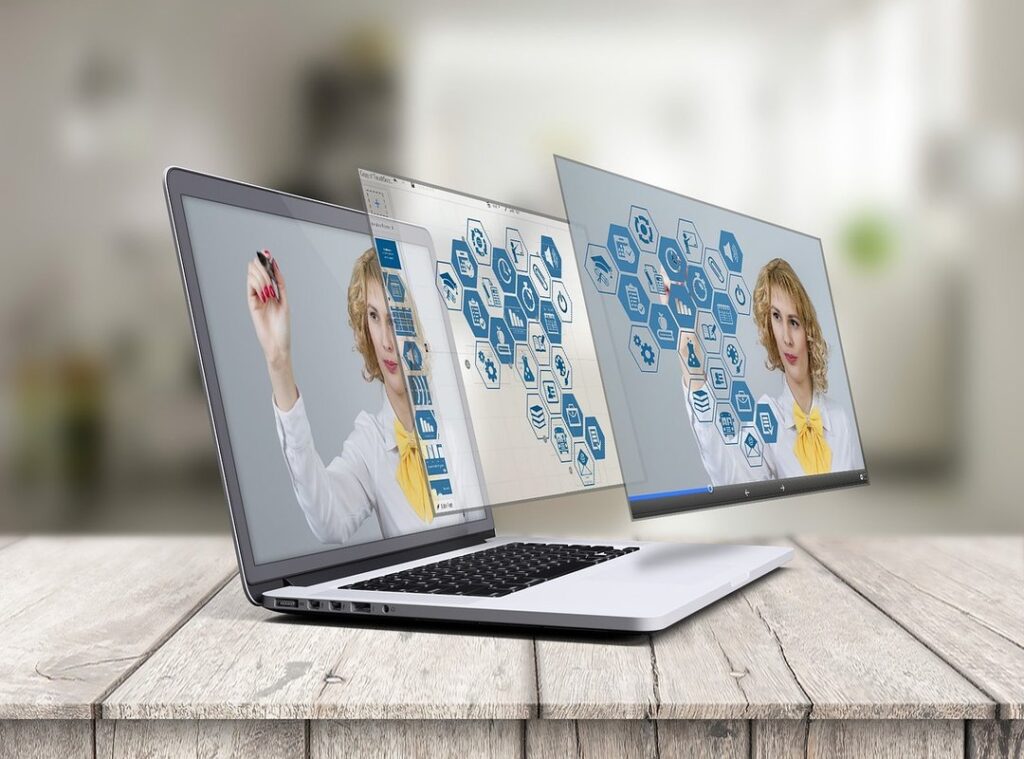
Enter holographic display technology. This isn’t just a buzzword; it’s a game changer. It transforms complicated information into intuitive and interactive experiences.
Suddenly, concepts that once seemed abstract become tangible and clear.
I’ve seen how visual storytelling revolutionizes industries. I’ve tracked these tech developments and know what works. It’s not just about using new tools; it’s about making impactful changes.
In this article, I’ll guide you through understanding, implementing, and leveraging the power of 3D visualization technology. You can expect clear, actionable takeaways that cut through the noise. You won’t just learn; you’ll discover how to make this technology work for you.
So, are you ready to open up clarity and take your understanding to the next level? Let’s dive in and see how you can use this solid tool.
3D Visualization: Bringing Imagery to Life
3D visualization technology is a game-changer. It takes abstract data and transforms it into interactive 3D images. Think about those CAD models or real-world scans.
They’re no longer just flat pictures. They become something you can explore, manipulate, and truly understand.
Unlike traditional 2D graphics, 3D visualization offers depth and perspective. You see things from every angle. It’s like stepping into a new world.
This technology relies on specialized software and hardware. CAD tools, 3D modeling programs, and solid GPUs are the backbone. And yes, they’re key (oops, I said key) for rendering those real-time, lifelike images.
Remember the early days of computer graphics? They were clunky, right? Now, with sophisticated real-time rendering, it feels like magic.
You can interact with these environments, appreciate spatial relationships, and grasp complex structures. It’s not just about looking anymore; it’s about experiencing.
Ever heard of holographic display technology? It’s the next step, making 3D even more tangible. Imagine seeing those images floating in the air.
That’s where we’re headed. This tech isn’t just for show. It’s practical, changing how industries like architecture and gaming operate.
It’s reshaping our perception of digital content.
The Mechanics Behind the Magic: How 3D Visualization Works
3D visualization is a wild ride from start to finish. It begins with data acquisition and modeling. Imagine scanning a real-world object or crafting a design in CAD.
That’s how we turn tangible items into digital 3D models. It’s like the digital version of sculpting a clay masterpiece. But, instead of clay, we’re using pixels and algorithms.
Then comes texturing and lighting. This is where things get juicy. We apply colors, materials, and lights to these models, making them pop with realism.
Ever wondered why a virtual room looks so inviting? It’s all about how light bounces off surfaces and how textures add depth.
Next is rendering. This is where 3D models transform into 2D images. Real-time rendering gives us interactive experiences, while pre-rendered images offer high-fidelity visuals.
It’s a bit like choosing between live theater and a movie.
Interaction and animation let users explore these environments. You can manipulate objects or get through spaces. The algorithms and computational power behind this are immense.
Holographic display technology plays a role here, creating immersive experiences.
Curious about the tech behind all this? This guide might just satisfy your tech cravings.
Unveiling Industries: 3D Visualization Magic
3D visualization technology is everywhere. It’s like a silent revolution in industries we interact with daily. Architecture, for one, relies on it heavily.
Imagine visualizing a skyscraper before even a single brick is laid. That’s the power we’re talking about. And it’s not just about pretty pictures; it’s about planning smartly and saving big bucks.
In engineering, virtual prototypes are changing the game. Gone are the days of endless physical testing. These prototypes simulate product performance, making life easier and processes faster. (Who doesn’t want to save time and money?)
Healthcare isn’t left out either. I mean, using this tech for surgical planning is like having X-ray vision. Complex anatomical structures come to life.
Surgeons are more prepared, and patients feel safer.
Entertainment? Oh, it’s a playground for 3D tech. From powering video games to crafting jaw-dropping movie effects, the magic is real.
Let’s not forget VR and AR. They’re turning living rooms into immersive worlds.
And for the tech-savvy, holographic display technology adds another layer of brilliance. Education and training benefit too. Visualizing concepts makes learning interactive and fun.
Honestly, clarity and insight like this solve many industry headaches.
The Magic of 3D: Why It’s More Than Just Eye Candy
3D visualization technology is a game changer. It’s not just about pretty pictures (though they help); it’s about enhanced communication. Ever tried explaining a complex idea in a meeting, only to be met with blank stares? 3D bridges that gap between techies and everyone else.

You see it, you get it.
Then there’s decision-making. Seeing data in 3D reveals patterns you’d miss in 2D. It’s like suddenly finding the key to a locked door.
You make smarter choices because you’re seeing the whole picture, literally.
Saving time and money? Yes, please. Virtual prototypes cut costs by reducing the need for physical models.
Imagine catching errors early instead of during launch (sigh of relief). This tech keeps you competitive, too. Companies using 3D visualization race ahead, crafting compelling pitches and offering customer experiences that stick.
And let’s talk engagement. Whether you’re in marketing or education, 3D captivates. People remember what they can visualize.
It’s immersive and effective. Speaking of the future, check out the Ai Powered Robotics Frontier for the latest in tech innovations.
So, is 3D just a gimmick? Far from it. It’s a strategic advantage that’s here to stay.
The Horizon: Trends Shaping 3D Visualization
I’ve watched 3D visualization transform right before our eyes, and it’s just getting started. The way AI is seamlessly automating model creation? That’s not just impressive.
It’s solid. It’s like the world we imagined in sci-fi movies finally coming alive.
Real-time rendering is one area that’s pushing the boundaries. It’s not just about visuals anymore; it’s about bringing reality into our screens. You ever see something so real you have to touch it? we’re heading (and faster than you think).
Web-based 3D platforms are leveling the playing field. Gone are the days when you needed specialized software to create. Now, anyone with an internet connection can dive in.
The convergence of 3D with XR (I’m) talking VR, AR, and mixed reality (creates) experiences that weren’t possible a decade ago. And holographic display technology? It’s making these experiences tangible.
Democratization is key. 3D should be for everyone, not just tech gurus. The future of 3D is intuitive, accessible, and immersive. Get ready.
Unleashing the Power of 3D
You’ve come to understand how challenging it can be to communicate complex ideas through traditional methods. It’s frustrating, right? Holographic display technology changes the game. It turns abstract concepts into interactive experiences that drive clarity and spark innovation.
This isn’t just about visuals; it’s about engagement.
Think about how you can apply 3D visualization in your field. Explore the tools available and keep an eye on the latest advancements. The possibilities are endless for problem-solving and creative expression.
Ready to transform how you communicate? Dive in, start exploring, and embrace the clarity that 3D visualization brings. Don’t wait (your) vision deserves to be seen.