
Wearable devices die at the worst times. It’s frustrating when you need your tech to track your health or keep you connected, and suddenly it’s just a useless piece of plastic.
This article digs into what really impacts battery life wearables and how you can improve it. You deserve to know how to get the most out of your devices.
I’ve done the research, looking into the latest tech trends and practical strategies for keeping your gadgets alive longer.
You’ll learn actionable tips to extend your device’s power, choose wearables that last, and truly enjoy an uninterrupted lifestyle.
Isn’t it time we stopped settling for constant charging?
I’m committed to exploring the innovations that reshape our tech use.
By the end, you’ll have the knowledge to keep your devices running longer and smarter. Let’s jump in and master this together.
Why Wearable Batteries Drain Fast: The Core Challenge
Ever wondered why your smartwatch needs charging more than you’d like? It’s all about those tiny form factors. These sleek devices pack solid processors, lively displays, and more sensors than you’d expect.
It’s like trying to fit a race car engine into a go-kart. No wonder they guzzle power.
The primary culprits? GPS tracking, heart rate monitoring, always-on displays, and cellular connectivity. They all demand energy.
It’s a constant tug-of-war between the features we love and the battery life wearables manage to provide. You’re probably thinking, “Do I need my watch to do all that?” Well, yes, I do. But it comes at a cost.
Here’s the kicker: every feature you let drains your battery faster. High-brightness screens and continuous tracking don’t help either. So, what’s the solution?
Maybe consider the Effective Use Smart Home Hubs for smarter integration. It’s about balancing what you need with what your device can deliver.
In the end, it’s all about managing expectations. You want health tracking, smart notifications, and a lively display, right? Just remember, it’s a delicate balance.
Cracking the Code: What Shapes Wearable Battery Life
When it comes to battery life wearables, it’s not just about slapping a big battery into a sleek design and calling it a day. Hardware efficiency is key. The choice of chipset, like low-power ARM cores, can make or break your experience.
AMOLED displays? They sip power compared to traditional LCDs. Trust me, it’s all about those adaptive refresh rates.
Who knew software could be the silent killer or savior of battery life?
But let’s not forget software. The operating system and background apps can drain your device faster than you think. Fast algorithms are the unsung heroes here, managing power with precision.
Now, user habits. Ever crank up your screen brightness to max because the sun’s being a jerk? Guilty.
Frequent notifications, intense workout tracking, and always-on displays all take a toll. These choices matter more than you might expect.
Battery chemistry, though, is the backbone. Lithium-ion is standard, but there’s a limit to what it can do. Those ‘mAh’ ratings?
They don’t always translate to real-world usage. It’s a balancing act.
In the end, it’s about looking at the whole picture. Want to see which wearables nail this balance? Check out the best smartwatches for battery life.
It’s not just about features; it’s about how it all works together.
Pushing Limits: Wearable Power Revolution
Let’s talk about next-gen chipsets. These tiny wonders are changing the game, especially for wearables. Imagine ultra-low-power processors, specifically crafted for wearables, tackling complex tasks but sipping energy like a fine wine.
And then there are dedicated AI co-processors that smartly manage tasks without draining the battery. It’s like having a tiny genius on your wrist.
Display tech is getting a makeover too. Think micro-LEDs and changing refresh rates, offering lively visuals while conserving power. E-ink technology in hybrid smartwatches brings ‘always-on’ displays without the battery hit.
Who wouldn’t want that?
AI and machine learning are now the unsung heroes of smarter power management. They predict usage patterns and adjust power settings on-the-fly, extending that precious battery life wearables need. It’s like your device knows you better than you know yourself.
Emerging charging solutions are cutting downtime. Rapid charging tech powers up devices in a flash. Wireless charging?
It’s not just for your phone anymore. Wearables are catching up.
And let’s not forget energy harvesting. Limited methods like solar and kinetic energy will soon help create self-sustaining wearables. Imagine a watch that powers itself as you move.
It’s the future, and it’s coming fast. Who said tech can’t be exciting?
Maximize Your Wearable: Battery Life Hacks
Want your wearable to last longer? Customize your settings. Lower your screen brightness. Why let notifications buzz constantly? Turn off ‘always-on’ features that you don’t need.
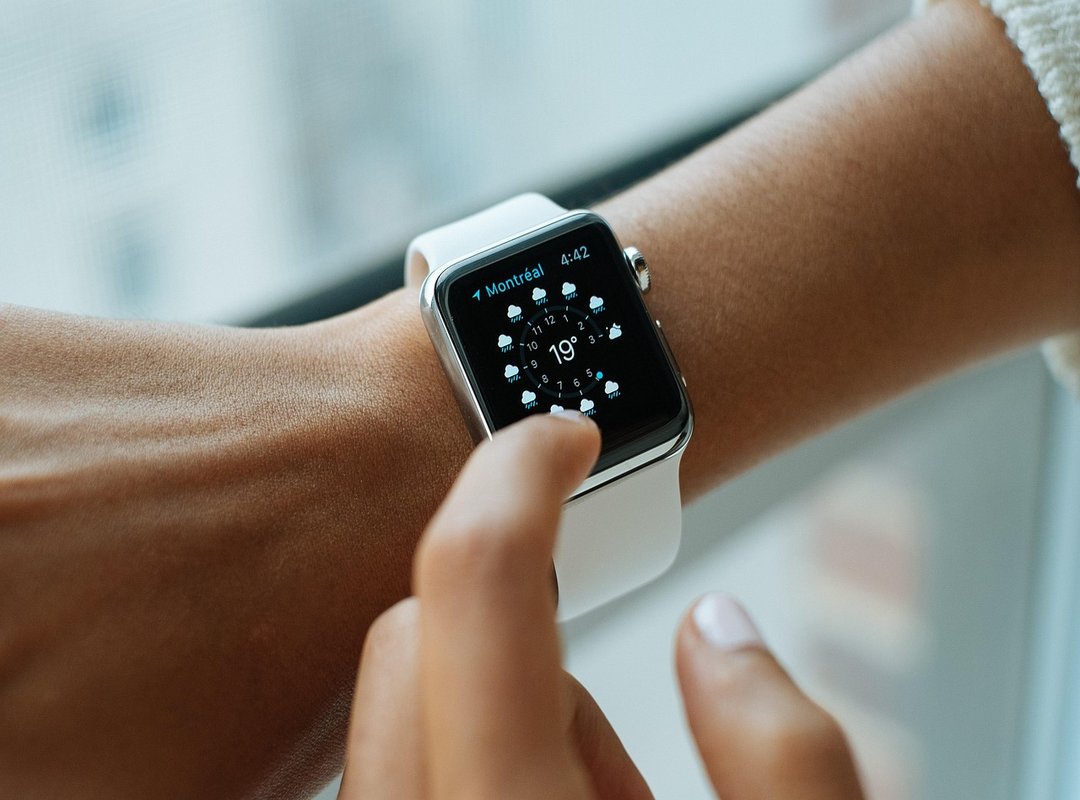
Connectivity matters too. Keep your Wi-Fi or cellular off when you don’t need it. Bluetooth does most tasks just fine and saves power.
It’s like magic.
Apps are sneaky battery drainers. Close those background apps, pick fast watch faces, and check app permissions. You don’t want apps doing strange things behind your back, do you?
Stay updated. Software updates often include power management improvements. They’re not just bug fixes, they’re battery savers.
Don’t abuse your battery. Charge smart. Avoid extreme temperatures and don’t let it fully drain regularly.
You wouldn’t want your wearable to die an early death, right?
These strategies will extend your wearable’s battery life. And if you’re into tech tips, check out better mobile photography tips. You won’t regret diving into those, trust me.
Let’s keep those gadgets running smoothly. Keep experimenting with these tips, and you’ll see the difference in your wearable’s performance!
The Future is Now: Wearables Meet Battery Innovation
I’ve been a tech nerd for years, and battery life in wearables isn’t just a convenience. It’s key. Solid-state batteries are the future.
Flexible batteries are also in the mix. They’re shaping how comfortable and long-lasting our wearables can become. Think of a headphone band that bends to fit perfectly and lasts days.
They’re promising higher energy density and quicker charging. Imagine not worrying about charging your smartwatch every night. Sounds like a dream, right?
But wait, there’s more. How about advanced energy harvesting? Picture solar cells tucked into your watch strap or kinetic energy generated by your movements.
It’s the kind of passive charging that feels futuristic. Don’t tell me you wouldn’t love that.
Let’s talk experimental tech. Micro-fuel cells could outshine lithium-ion batteries. I’ve read about labs testing these, and while we’re not there yet, the potential is thrilling.
A future where your devices last weeks instead of days might seem like sci-fi today, but we’re closer than you think.
Battery life wearables aren’t just gadgets. They’re important tools that can seamlessly integrate into our lives without charging anxiety. The innovation here is constant, and I can’t wait to see what’s next.
Take Control of Your Wearable Experience
Limited battery life is a real pain. It’s frustrating when your device can’t keep up with your active lifestyle. But I’ve shared practical tips and future tech takeaways that can help you tackle these issues head-on.
You have the power to extend that battery life wearables offer. Don’t wait. Start implementing the strategies today.
Explore devices designed for longer battery life.
Stay connected and keep pushing for more from your technology. You deserve a smooth wearable experience.
Take action now and make your wearables work for you. Your uninterrupted connectivity is just a step away.
