

Technology is changing fast. Have you tried to wrap your head around what quantum computing leap really means? It sounds fancy, but it’s key for our future.
This article will break down the mystery. I want to demystify recent advancements in quantum computing and show you how they impact our daily lives.
You deserve clear definitions and practical takeaways. I promise to simplify the complex so everyone can understand.
We’re not just talking theory here. Quantum computing has the potential to solve problems that today’s computers can’t even touch.
That’s exciting, right?
I’ve dug into the latest research to bring you reliable takeaways. Together, we’ll explore what quantum computing means for various industries and what it could mean for you.
By the end, you’ll see how this technology could reshape our world. Let’s dive into the quantum frontier and see what it holds for us all.
Quantum Computing: A New Frontier
Quantum computing is a beast. Unlike traditional computers that use bits (think of a light switch: on or off), quantum computers use qubits. Imagine a dimmer switch instead.
Qubits can be on, off, or somewhere in between. This opens a world of possibilities.
Now, let’s talk about the recent quantum computing leap. The stability of qubits has improved. They can hold their quantum state longer, thanks to increased coherence times.
But why should you care? Because this means more solid quantum machines are on the horizon.
Error correction is another game-changer. It’s like having a safety net for qubits. They’re delicate, prone to errors, but new strides make them more reliable.
This progress is key for practical applications. We’re on the brink of seeing quantum computers tackle real-world problems.
These advancements are not just tech jargon. They’re paving the way for breakthroughs in fields like cryptography and drug discovery. Imagine solving complex problems in seconds, not years.
That’s the promise of quantum computing. It’s not just a leap; it’s a revolution. Are you ready for it?
Unlocking Quantum: Hardware to Algorithms
Quantum computing is charging forward like a juggernaut. Seriously, how many times have you heard about its “potential”? Let’s get real. Hardware breakthroughs are where it all starts.
Superconducting circuits, trapped ions, photonic qubits. Each has its quirks. For instance, superconducting circuits offer fast operations, while trapped ions are great for precision.
Photonic qubits? Think speed of light, literally. You know why we’re looking at multiple types, right?
It’s like trying to pick the best tool for the job. More qubits mean more power (more power means tackling more complex problems).
Then we shift to software, where quantum algorithms take the spotlight. Shor’s algorithm isn’t just a mathematical trick; it’s a game-changer for encryption. Grover’s algorithm?
Perfect for search processes. And don’t even get me started on the new user-friendly quantum programming tools. These platforms are democratizing quantum computing.
You don’t need a PhD in physics to dive in anymore. That’s huge.
Why is this important? Because we’re on the brink of a quantum computing leap. That’s not hyperbole.
It’s happening. More connected qubits and refined algorithms mean we’re tackling problems like never before. This isn’t just physics mumbo jumbo.
It’s the future of computing. Want to see how this tech can apply in fields beyond the obvious? Check out Augmented Reality Beyond Gaming.
It’s wild how these technologies intersect, right?
In short, quantum computing isn’t just a buzzword. It’s a revolution. Are you ready for it?
Quantum Computing Today: Promise or Practical?
Quantum computing is like the wild west of technology, minus the cowboys. It’s a quantum computing leap that’s redefining how we approach big challenges. In drug discovery, quantum simulations can model molecules and chemical reactions with unprecedented accuracy.
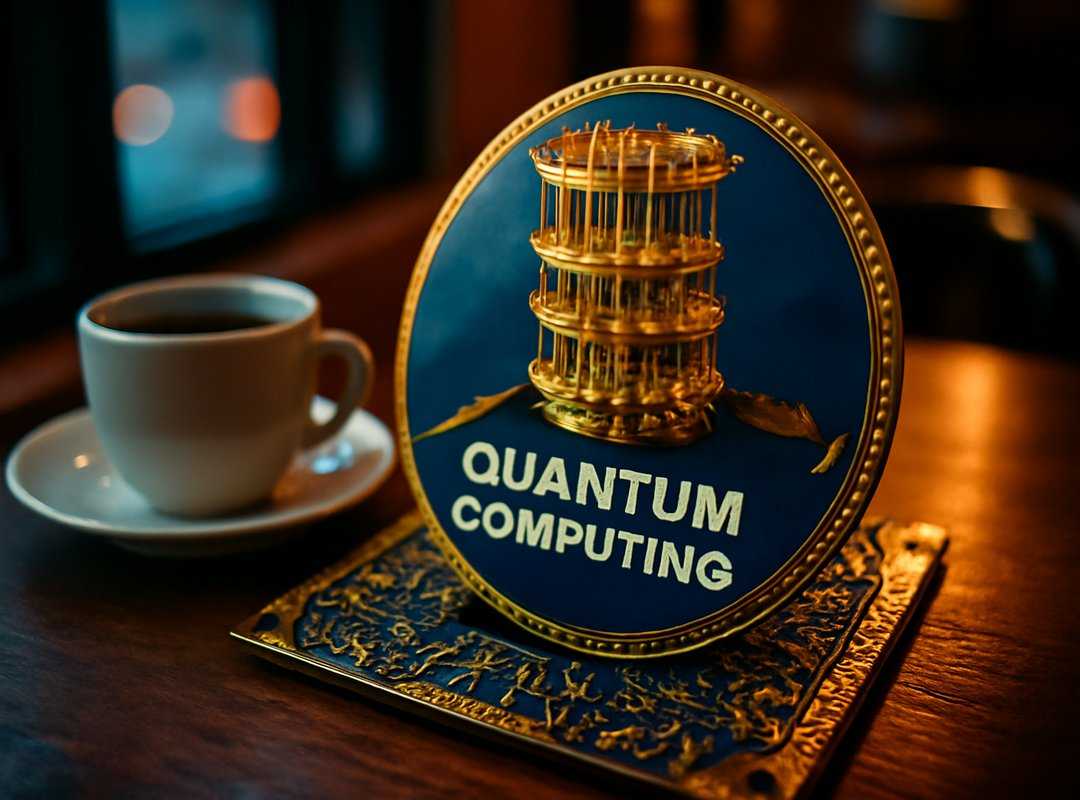
Imagine accelerating the discovery of new medicines that can save lives. This isn’t just theory. It’s happening.
Consider the complex world of materials science, where quantum computing speeds up the search for new materials that could change everything from construction to electronics.
In finance, quantum computers can improve complex portfolios and detect fraud in ways we only dreamed of. The potential to improve risk analysis is massive. Financial modeling could be transformed, making Wall Street analysts both excited and a little nervous. (Who wouldn’t be?)
Artificial intelligence and machine learning are also getting a quantum boost. Quantum algorithms could supercharge AI, leading to faster data processing and more fast models. Think about breakthroughs in pattern recognition that could revolutionize industries overnight.
But there’s a flip side. Cybersecurity faces a dual threat and opportunity. Quantum computing threatens current encryption methods (yes, breaking them), but it also offers a path forward.
Developing ‘quantum-safe’ encryption protocols is important to protect our digital world.
Want more details? Check out this resource. It dives deep into these topics.
The future is here, and it’s exciting, challenging, and a bit unpredictable. Embrace it.
Quantum Computing: Breaking Down the Roadblocks
Quantum computing is a beast. We’re wrestling with the challenge of error correction. These machines are hypersensitive to noise.
Think about it: a stray vibration, a tiny shift in temperature, and everything falls apart. Strong error correction isn’t just important; it’s a make-or-break deal for achieving a fault-tolerant quantum computing leap.
Then there are the engineering hurdles. Scaling these systems is like building a house of cards in a hurricane. How do we keep qubits stable while cooling them to near absolute zero?
It’s a mind-bender. But without tackling these challenges head-on, we’re going nowhere fast.
And let’s talk about cost. These machines aren’t cheap. We’re looking at a hefty financial investment just to keep the research wheels turning.
Right now, access is limited. But who knows? One day, the biotechnology trends watch might see parallels in quantum’s evolution.
Finally, the myth of ‘Quantum Winter.’ Skeptics love to say we’re stuck. They’re wrong. Progress is happening.
It’s not flashy, but it’s real. Scientists are making strides every day. We need to recognize this steady journey forward, not just focus on the hype.
Step Into the Quantum Future
I hope you’re feeling more informed about quantum computing leap. This isn’t just a complex buzzword. It’s a reality, and it’s evolving fast.
Many think quantum technology is out of reach. I get it. It seems complicated, but I just showed you its potential.
Understanding this field is not just for scientists. It’s for anyone curious about the future. The takeaways I shared demystify the topic.
They highlight how quantum computing can change various industries.
Remember, this is not a distant dream. It’s happening now. You can be part of it.
So, what’s next? Keep exploring this fascinating world. Stay informed about breakthroughs in quantum technology.
Engage with platforms that dive deeper into these discussions.
You deserve access to this information. Don’t let complexity hold you back.
Ready to take action? Visit tech forums, read articles, and connect with experts. Join the conversation.
The quantum future is bright, and you have a role in it. Let’s not wait for the leap; let’s embrace it together.
Stay curious. Stay engaged.
Your journey into quantum computing starts now.
