The buzz around self-driving cars is everywhere. You might be skeptical about what the autonomous vehicles future really holds. I get that.
It’s confusing.
This article aims to cut through the chaos and hype. I want to give you a straightforward look at where autonomous technology is headed.
You’ll find clear takeaways into the technological, societal, and economic changes that autonomous vehicles will bring. I’ve been following this space closely, and I promise I’ll share what I’ve learned.
You deserve a well-researched perspective, not just flashy headlines. By diving into this topic, I want to equip you with the knowledge to understand what to expect.
Get ready to explore the practical implications of self-driving vehicles. I’ll break down realistic timelines and offer a glimpse into what’s next. Together, we’ll get through this big space and uncover the real story behind self-driving cars.
Defining the Horizon: Tech Shaping the Autonomous Future
Current autonomous vehicles are like teenagers (they’re) learning but not quite ready to be left alone. Level 2/3 systems still need a babysitter. But Level 4/5?
Now we’re talking independence. These vehicles promise to drive themselves without any human intervention.
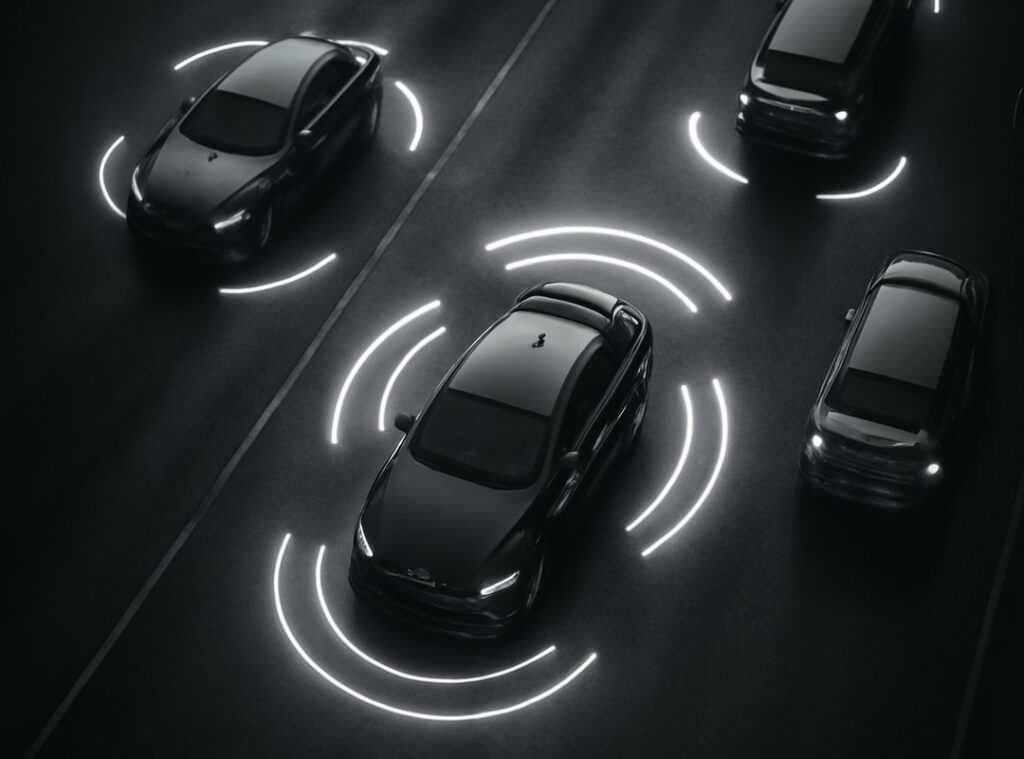
Sensor fusion is key. Imagine how Lidar, high-resolution cameras, radar, and ultrasonic sensors come together. They create a complete picture of the world around a car.
It’s like having eyes on every side and ears that hear the whispers of the road.
Artificial intelligence and machine learning are the brain power behind it all. They process complex data, predict what might happen next, and never stop learning. Does it sound futuristic?
It is.
V2X communication (that’s Vehicle-to-Everything) is another game-changer. Cars talk to each other and to the infrastructure around them. It means safer roads and smoother traffic flow.
High-definition mapping and real-time localization are the GPS on steroids. They make sure vehicles know exactly where they are at any moment, even in the most changing environments.
Want to dive deeper into tech trends? You can learn more about how these innovations are shaping our world.
Beyond the Wheel: Shaping Tomorrow
Autonomous vehicles aren’t just another tech trend. They promise to reshape everything, from cities to jobs. Think about urban planning.
Won’t we need fewer parking lots? Great! Maybe we can finally have those green spaces we’ve all been dreaming about.
And traffic? Imagine a world where it’s not a daily nightmare. Smooth, a bit like magic.
Public transportation, ride-sharing, last-mile delivery (these) will change too. More fast, more accessible. Who wouldn’t want that?
Imagine zipping through a city with minimal delays. The logistics sector will feel it too. Faster, cheaper operations and 24/7 autonomous freight.
Sounds like the stuff of science fiction, right?
Jobs? Oh, they’re evolving. We’ll see new roles (remote operators or AI trainers, anyone?) and a shift in old ones.
But don’t panic. Change brings opportunity. More people will also find independence.
Those who can’t drive will gain new freedom. Social inclusion will become more than just talk.
So, what does the autonomous vehicles future hold? Frankly, it’s a leap into something vast and unknown. But as with all great changes, there will be challenges and rewards.
It’s just the beginning of a wild ride. Are you ready?
Navigating the Roadblocks: Tackling Autonomous Vehicle Challenges
to the regulatory mess we’re facing with autonomous vehicles. Imagine trying to get through a maze of state and international laws. It’s a nightmare.
Everyone’s scrambling for some sort of standardization, but progress is slow. How do you solve this? The industry needs a unified system yesterday.
It’s like herding cats.
Now, onto ethical dilemmas. Remember the trolley problem? Developers are wrestling with it, trying to teach machines to make moral choices.
It’s not just coding. It’s philosophy 101. Do you choose the lesser evil or let fate decide?
Who knew cars would need ethics classes?
Cybersecurity is another beast. Autonomous vehicles are rolling computers, vulnerable to hacks. Systems must be airtight to keep data safe from cyber villains.
Would you trust your car if it could be hijacked by a hacker?
Public trust is shaky. People are skeptical, and rightly so. Transparency is key.
We need open communication, education, and proof of safety to win folks over. (Think about how Tesla keeps everyone guessing.)
Advancements in redundancy systems are important. They make sure safety even when parts fail. Fail-safes are lifesavers.
Curious about the future? Check out when will autonomous vehicles and self-driving to see where we’re headed with this autonomous vehicles future.
The Human Element: Embracing AI Co-Pilots
I’ve spent a lot of time thinking about how autonomous vehicles future might change our roles on the road. We’re moving from being drivers to becoming more like co-pilots. Crazy, right?

The idea of trusting a machine with my life is still a bit unsettling. Who’s ready to just sit back and let AI take the wheel? Not everyone.
There’s a massive psychological shift needed to really let go.
User interfaces are stepping up, though, making it easier to transition. They help us feel more in control even when we’re not driving. Imagine using commute time for work, entertainment, or a quick nap.
Sounds great, but also a bit surreal.
But what happens to driver training? We might need new licensing categories. This shift could redefine what we consider driving skills.
And then there’s the issue of motion sickness. Will I need a barf bag every time I ride in a self-driving car? Maybe not.
Designers are already working on solutions to keep our stomachs in check.
In the end, there’s a lot of uncertainty. We’re diving into uncharted territory, and I’m not sure where we’ll land. But isn’t that part of the adventure?
When Can We Expect Widespread Adoption?
Autonomous vehicles are the future, right? But when will they really become part of our daily lives? Let’s break it down.
We’re looking at a phased approach here. The initial rollout will likely focus on niche applications like commercial trucking and robotaxis in geofenced areas. That’s where the tech can shine without too many hurdles.
But for the mass market, it’s a slower burn. Expert predictions vary widely. Some say we’re a decade away from seeing autonomous cars on every corner, while others are more conservative.
Here’s something to consider: technological maturity is big, but societal change dictates the pace. Remember when smartphones first came out? It took time for everyone to catch on.
Why the delay? It’s not just the tech that needs to mature. Regulatory frameworks, infrastructure, and consumer acceptance play big roles too.
The same might happen here.
For a deeper dive into tech advancements, check out our Quantum Computing Big Leap page. It’s fascinating how one tech leap can influence another.
, while the tech is moving fast, don’t hold your breath for an overnight transformation. The road to widespread adoption is gradual and complex. Patience, my friends.
Start Your Journey Today
I hope this article helped you understand the complexities of the autonomous vehicles future. You deserve clear, informed takeaways in this fast-changing tech world. The noise can be overwhelming, but I aim to cut through it with grounded analysis.
Stay connected for ongoing updates that keep you in the loop.
Explore more on our platform to deepen your knowledge of new tech developments and digital solutions.
Don’t let confusion hold you back. Take action now and expand your understanding. Your future in tech starts here.
Let’s get through this journey together.