
I’ve been part of tech communities for years and I can tell you this: reading headlines doesn’t cut it anymore.
You’re here because you want more than surface-level tech news. You want real conversations with people who actually get it. A place where you can ask questions without feeling like you’re wasting anyone’s time.
The problem? Most tech communities are either too basic or filled with gatekeepers who make you feel stupid for asking.
I’ve spent years figuring out what separates good tech communities from great ones. I know what makes people stick around and what drives them away within a week.
This guide shows you exactly how to find a community that fits. Not just any group of tech geeks, but one where you’ll actually learn something.
I’ll walk you through what to look for, where these communities exist, and how to become someone people want to talk to (not the person everyone mutes).
GSC Technologik exists to help you stay ahead of what’s coming next. We focus on real tech developments, not hype cycles.
You’ll learn how to spot quality communities, avoid the time wasters, and get the most value from the people you connect with.
No fluff. Just what works.
Why a Community is Non-Negotiable for Tech Enthusiasts
You can’t learn everything from TechCrunch articles and YouTube explainers.
I tried that for years. I’d read about some breakthrough in neural networks or quantum error correction and think I understood it. Then I’d talk to someone actually working in the field and realize I’d missed the entire point.
Here’s what changed everything for me.
I stopped consuming tech news alone and started talking about it with people who actually build this stuff.
Now, some people will tell you communities are just echo chambers. They’ll say you’re better off reading whitepapers and forming your own opinions. That you don’t need other people clouding your judgment.
And look, I get where they’re coming from. Bad communities absolutely exist. Places where everyone just repeats the same talking points and attacks anyone who questions the hype.
But that argument misses something important.
The right community doesn’t just agree with you. It challenges you. It makes you defend your assumptions about why a particular AI model matters or whether a startup’s biotech claims hold water.
I’ve been building gsctechnologik because I kept seeing tech geeks struggle with the same problem. They’d get excited about some new development, only to realize weeks later it was mostly marketing spin.
A good community fixes that fast.
When you’re surrounded by engineers who’ve actually implemented transformer models or data scientists who know the difference between real progress and repackaged research, you learn to spot vaporware from a mile away.
You also get something you can’t find in articles. Context from people in different roles. An ML engineer sees a new framework differently than a startup founder does. An ethicist raises questions that neither of them considered.
That’s when things get interesting.
I’ve watched people meet their co-founders in Slack channels dedicated to edge computing. I’ve seen junior developers get mentored by principal engineers they never would’ve met otherwise. These spaces work like the old Bell Labs or Xerox PARC, just distributed across time zones.
The learning happens faster too. Instead of passively reading about quantum computing breakthroughs, you’re debating their practical applications with physicists and software architects. Your understanding deepens because you have to articulate your thoughts and defend them.
But here’s the real benefit nobody talks about.
Communities surface the signal before it becomes noise. Someone working at a research lab mentions a paper three weeks before it hits Hacker News. A founder shares why their pivot failed before the press release goes out.
You get the unfiltered version of what’s actually happening in tech.
The Anatomy of a Great Tech Community
Most tech communities fall apart within a year.
I’ve watched it happen dozens of times. A group starts strong, gets flooded with new members, and then slowly devolves into chaos or just goes silent.
Now, some people will tell you that communities naturally die. That it’s just the cycle of online spaces and you shouldn’t worry about it.
Here’s why that’s wrong.
The best communities don’t just survive. They thrive for years. And there’s a pattern to what makes them work.
Active and Fair Moderation
This is where most communities live or die.
Good moderators keep discussions on track without being heavy-handed. They kill spam before it spreads. They shut down trolls but don’t stifle disagreement.
Bad moderation? You get either a free-for-all or a ghost town. Neither works.
High-Quality Discourse
You can spot a strong community in seconds. Members share real analysis. They post research that actually teaches you something. Questions go deeper than surface-level stuff you could Google in thirty seconds.
Compare that to communities drowning in memes and hot takes. Those might feel active, but they’re not useful.
Clear Purpose and Rules
The communities that last know exactly what they are.
Are you building a space for developers? Say that. For investors? Make it obvious. For people who just love talking about powerful tools gsctechnologik and emerging tech? Perfect, but be clear about it.
When everyone knows the mission, conversations stay focused. New members understand what to expect before they even join.
Accessible and User-Friendly Platform
I don’t care how great your discussions are if nobody can find them.
Whether you’re on Discord, a forum, or something else, navigation matters. People should be able to search old threads, jump into new conversations, and figure out the layout without a tutorial.
Regular Engagement Opportunities
Here’s what I think will happen in the next few years. Communities that schedule consistent events will dominate. The ones that rely on random posts will fade out.
AMAs with experts. Weekly deep-dive threads. Project showcases. Virtual meetups where tech geeks gsctechnologik actually connect.
These aren’t just nice extras. They’re becoming the foundation of what keeps people coming back.
The communities that build these rhythms now? They’ll own their niches by 2026.
Where to Find Your Tribe: Top Platforms for Tech Discussion
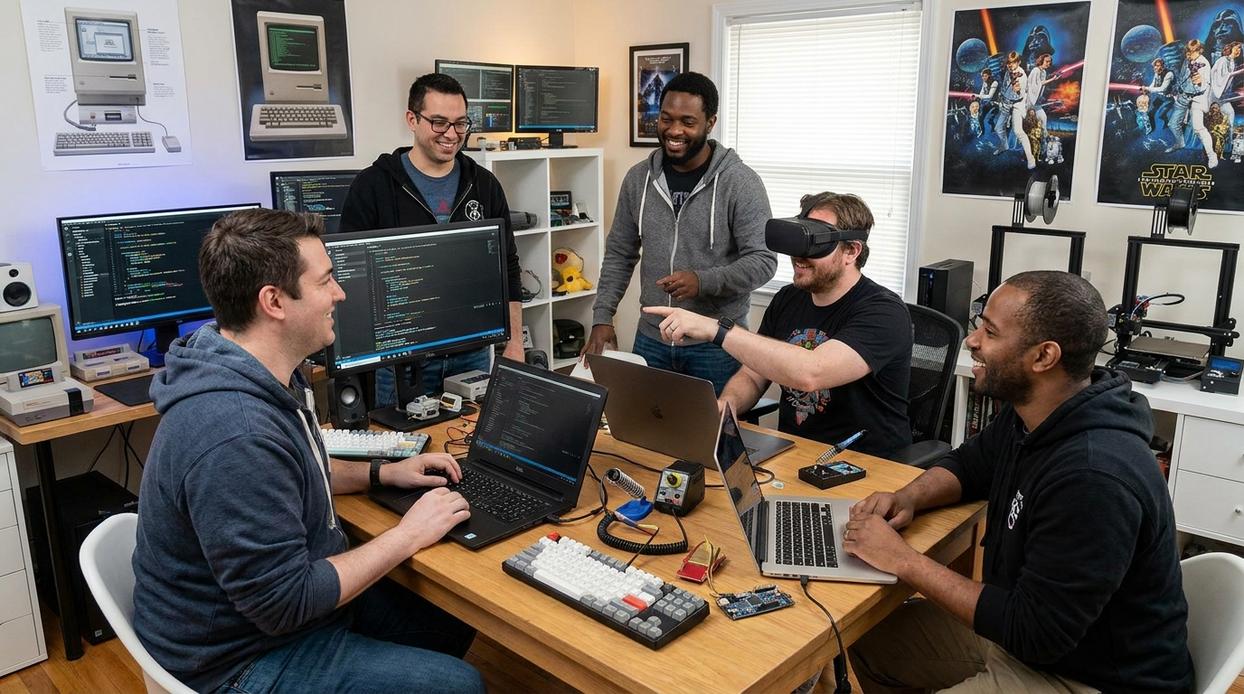
You know that feeling when you stumble into a conversation where everyone just gets it?
That’s what I’m after when I look for tech communities online.
Most people jump into the biggest groups they can find. They join Discord servers with 50,000 members or Reddit communities with millions of subscribers. Then they wonder why their questions get buried in three seconds flat.
I’ve been there. You type out a thoughtful question about machine learning frameworks and it vanishes into a wall of memes and off-topic chatter.
Here’s what actually works.
For Real-Time Conversations
Discord and Slack are where I go when I need answers fast. But the trick is finding the right server. You want niche communities built around specific topics like AI/ML Development or Web3 Innovators.
When you find the right one, you can almost feel the difference. The notifications pop up with actual substance. People respond within minutes because they care about the same problems you do.
Skip the massive general-topic servers. They’re just noise.
For Deeper Dives
Sometimes you need more than a quick back and forth. That’s when I turn to Reddit or Hacker News.
These platforms let conversations breathe. Someone posts a question on r/technology or r/hardware and the thread builds over days. You get multiple perspectives and people actually link to sources (which matters more than most realize).
The comment threads scroll down your screen like layers of thought. Each reply adding context the last one missed.
For Professional Connections
LinkedIn Groups feel different. The tone shifts from casual to business-focused. People discuss career implications and industry movements rather than just the tech itself.
I find these groups useful when I’m trying to understand why tech is important gsctechnologik from a market perspective. Not just how something works but where it’s headed commercially.
Look for active groups where posts get real engagement. Dead groups are everywhere on LinkedIn.
For Curated Expert Content
This is where things get interesting for tech geeks gsctechnologik who want to go beyond surface-level discussion.
Many industry experts now run private communities through Substack or Ghost. Yes, most require a subscription. But what you get is worth it.
The signal-to-noise ratio is completely different. Every post feels intentional. The discussions happen at a level you won’t find in free communities because everyone there has skin in the game.
You’re not scrolling through endless threads hoping to find value. It’s already filtered for you.
The right platform depends on what you need right now. Quick feedback? Go Discord. Deep analysis? Try Reddit or Hacker News. Industry connections? LinkedIn has you covered.
Just remember to go narrow before you go wide.
How to Become a Valued Member (And Not a Lurker)
You know what most community guides won’t tell you?
Lurking isn’t actually the problem.
Everyone says “just jump in and start posting.” But I’ve watched hundreds of people do exactly that and get ignored or worse, roasted for asking something that’s been answered a dozen times.
Here’s what actually works.
Listen first. Spend a few days reading conversations before you say anything. You’ll pick up on the community’s tone and what topics keep coming up. (Think of it like walking into a party. You don’t immediately start talking about yourself.)
Ask smart questions. Do a quick search before posting. Frame your question to show you’ve already thought about the problem. Tech geeks at gsctechnologik know this well because they’ve seen the same basic questions cycle through forums for years.
But here’s the part nobody talks about.
Provide value before you ask for it. Share an article with your actual takeaway, not just a link dump. Answer questions you know something about. Offer a different perspective in debates.
Most people get this backwards. They take and take, then wonder why nobody responds when they need help.
Be constructive. Acknowledge good points even when you disagree. The goal is learning together, not proving you’re the smartest person in the thread.
The difference between lurkers and valued members? Valued members give more than they take.
Join the Conversation That’s Building Tomorrow
You now have everything you need to find the tech community that fits you.
The future of technology is being shaped right now. These conversations are happening in digital spaces while you’re reading this. The innovations that will define the next decade are being discussed and built by people who showed up.
Here’s the truth: watching from the sidelines means missing out.
Use this guide to find your tribe. Pick one community that matches your interests and jump in. Comment on a thread. Share what you’re working on. Ask the questions that have been sitting in your head.
tech geeks gsctechnologik exists because I believe everyone should have access to these conversations. The barrier to entry is lower than you think.
Your next move is simple. Choose a community and start contributing today.